Get 8% off your first purchase
WELCOME8 Copied!
Use discount code during checkout!
how to start using wella charm toners

How To Use Wella Color Charm Toners?

Using a hair toner can seem a little confusing, but it is a pretty straightforward process. Hair toner is a color corrector for your hair that is used to achieve your desired hair tone. If you notice strange tones peeking out in your hair, such as brassy colored hair, you can use a toner to correct the color.

How Do I Choose a Toner?

The two main considerations when choosing the correct hair toner include the color wheel and your hair level. You should pick a toner that is the opposite of the current tone in your hair. Opposites will cancel out or neutralize each other to create the ideal hair tone. For example, if you have blonde hair, you will need to choose a purple toner because that is the opposite of yellow on the color wheel.

Hair color wheel chart

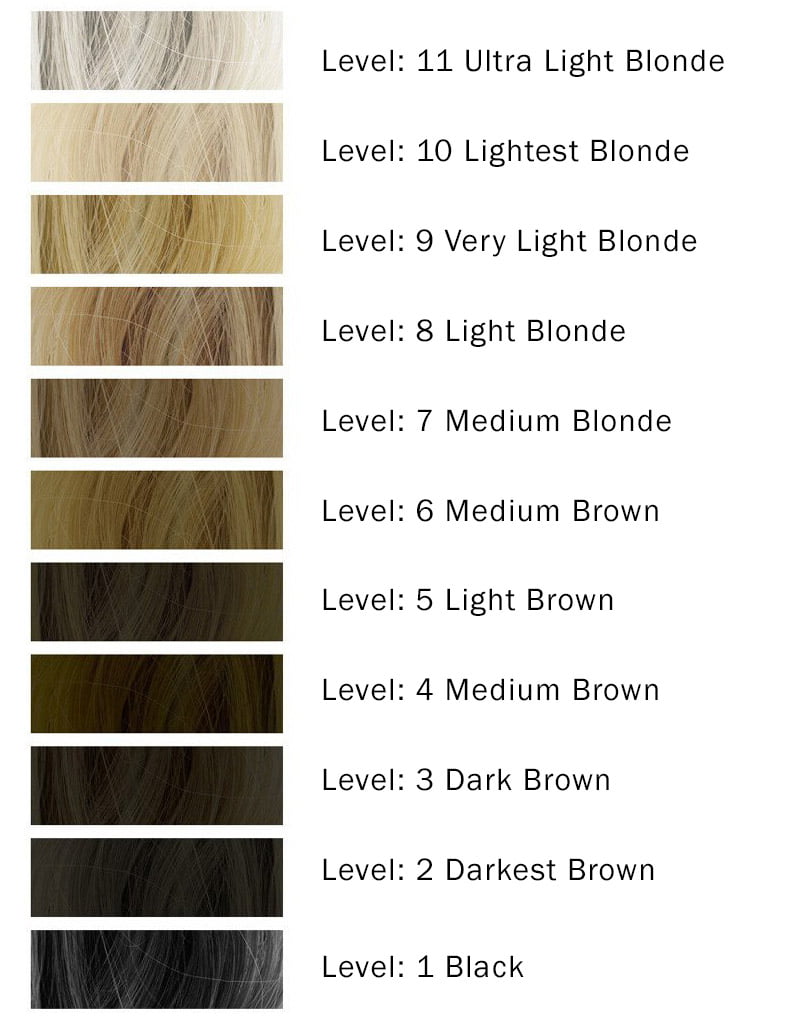
Next, you will need to assess your hair level on a scale of 1 to 10, with one being the absolute darkest and ten being the lightest. Ensure that it matches or is darker than your natural hair. Otherwise, it will not have an effect on your hair.

Hair color wheel with levels

Wella Color Charm Toner

Wella Color Charm Toners are one of the most popular and easily accessible toners in the market. They help neutralize any type of bleached hair to provide a more natural-looking hair job.

Wella Color Charm Toners are high-quality, similar to salon-standards without the price tag. Plus, they offer a wide range of products from toners to conditioners. Currently, Wella Color Charm Toners are offered in ash, silver, and beige in the following colors:

Ash Toners 

  • T14 Pale Ash Blonde (violet blue base toner)
    Neutralizes light orange and yellow tones to achieve an ashy cool silver tone blonde.
  • T18 Lightest Ash Blonde (violet blue base toner)
    Neutralizes light yellow tones to achieve an almost ashy white blonde.

Silver Toners :

  • T10 Pale Blonde (violet blue base toner) 
    Neutralizes orange yellow tones and achieve a light silver tone in blonde hair.
  • T28 Natural Blonde (violet blue base toner)
    Neutralizes orange yellow tones and achieve a cool neutral blonde hair.

Beige Toners:

  • T11 Lightest Beige Blonde (green-violet base toner)
    Neutralizes yellow tones to achieve a sandy beach tone.
  • T15 Pale Beige Blonde
    Achieve cool pale beige tone, remove brassiness and warmth color.
  • T27 Medium Beige Blonde
    Neutralizes yellow tones to achieve a neutral beige blonde.
  • T35 Beige Blonde (green-violet base toner)
    Neutralizes red and yellow tones for gold hair, maintains warmth but brass free.

wella charm toner types

How to Apply Wella Charm Toners?

Once you have decided on a shade, you will need to purchase some supplies to apply the toner. Make sure to grab a developer, dye brush and bowl, and a pair of gloves.

Before using the toner, remember to perform a strand test. To do this, mix the developer and toner according to the instructions until it forms a gel. Select a strand of hair to test it on and see if the results look the way you want. If you are happy with the way it looks, it is time to apply the toner using the following steps:

  1. Apply in sections – you want to paint the toner over your hair in thin layers. Ensure that the entire section is wet. You can start from back to front or vice versa, depending on what feels more comfortable.
  2. Let it Work – Toner may change colors during the processing time, and that is completely normal. You will have to leave it on for 8-10 minutes to achieve a lighter shade, and 20-25 minutes to achieve a darker shade.
  3. Wash it Off – Once you are done allowing your hair to process, you need to thoroughly wash and condition your hair to rid all product out of your hair.
  4. Style Your Hair – Whether you prefer to air dry or style your hair, proceed with your hair care as usual. Once it is thoroughly dried, you should see the full effect of your hair.

Apply toner on hair

Types of hair toner

What is Hair Toner?

The world of hair colors can seem overwhelming and confusing, especially when it comes to color correcting mistakes. Hair dyes can have a varying effect on your hair color. If you use too much dark hair color, you might not be able to bring back your natural shade. On the other hand, adding too much bleach to your hair can make your hair fall out.

Using a toner can help solve your hair color problems without the negative effects of hair dye. If you are not committed to permanently dyeing your hair every few weeks or have been curious about trying a new color without having to pay an expensive visit to the hair salon, a hair toner might be a good option for you.

before and after hair toning

Hair Toner Explained

Long story short, hair toner is a color corrector for your hair. For example, if you have blonde hair, but it’s looking very yellow, you can use a toner to balance your hair. If you are a brunette and you want to add some warmth to your hair, a toner can brighten your hair up.

Hair toner adds a deposit of color and can be purchased in cool, ash, or warmth to neutralize your hair. Most hair toner tends to be semi-permanent, which means it will wash out after a few weeks. It is best to apply toner to hair that has already been highlighted, such as a balayage or bleached hair color. Toner will not transform your hair into something brand new. Instead, it works in changing the tone of your hair.

Hair color wheel with levels

How Do I Pick the Right Toner?

Picking out the right toner for your hair is essential to ensure you get your desired hair results. You can’t just pick a random toner from the store and expect it to fix your hair problems. It is more than picking a shade. You have to understand the different levels of hair color and know the basics of the color wheel.

Colors that are opposite of each other in the color wheel will either neutralize or cancel each other out. For example, if you have yellow tones in your hair, you will need to use a purple toner because purple is the opposite of yellow. If you have orange tones, you will have to choose a blue toner. Understanding what your hair needs will help you achieve the hair result you’re looking for.

Once you understand the color wheel, you move on to determining your hair level. The levels are on a scale of 1 to 10, with one being the darkest shade of black, and ten being the lightest shade of blonde. If you want your toner to work correctly, you need to choose the same level as your natural hair or darker. If you don’t, your toner will not work nor have any effect on your hair color.

Hair color wheel chart


What Types of Hair Toners are There and How Long Do They Last?

Hair toners come in many forms. It can be blue, purple, yellow, or orange shampoo, semi-permanent or permanent hair dye, conditioner or hair color refresher shampoo. It all boils down to which type of hair toner you are looking for. Hair toners wash out easily and last, on average, anywhere from 2 to 8 weeks. It depends on how often you wash your hair, the lesser you wash your hair, the longer the toner will stay on.

Do remember that the quality and type of hair can affect the longevity of your hair color. Other external factors include UV rays from the sun, type of shampoo used, as well as hair heating tools. Always remember to keep a sulphate free shampoo for colored hair which helps extend your hair color life.

  • Purple Toner: For very light blondes at levels 7-10. Helps neutralize yellow tones.
  • Blue Toner: For light brown to medium blond hair at levels 4-6. Helps neutralize orange/ brass tones.
  • Green Toner: For black to dark brown hair at levels 1-4. Helps neutralize red tones.
  • Red Toner: For reds and red violet hair to increase brightness and intensity of red colored hair.
  • Orange Toner: For warm browns and gold blonds to increase brightness and intensity of brown blonde hair.
  • Yellow Toner: For brown tones to reduce reddish tones and enhances brown hair.

Hair coloring with stylist

When is an appropriate time to apply toner on your hair?

Right after the Bleaching and Coloring process:
Hair lightening is not created equal for everyone especially for dark colored hair. You get uneven tones and brassiness right after the bleaching process. To achieve the colors that you are looking for, you will have to use a toner as a second step.

Color Restoration and Enhancement:
Hair will start to grow and colors will start to fade along the way, and that is why hair colors seem dull after a period of time. To restore the colors on your hair, you can apply toners to remove any unwanted and uneven colors, rather than applying a permanent hair color over it. This way the hair color will look fresh and new without the need to go to a salon.

Achieving Pastel Hair Color:
Funky colors such as unicorn hair, pastel hair, silver hair… etc are some of trickier shades to achieve and maintain. Two important steps such as lightening and toning are needed. Depending on your hair root color, lightening twice is necessary to achieve a clean canvas on your head for darker shades hair, and after that, you can start toning your hair to achieve your final shade.

Correcting Hair Color:
Sometimes inaccurate application can lead to unwanted and uneven hair streaks, it can be due to slow applications of chemicals on hair or leaving it on the hair for too long. Hair toners come in handy to blend and eradicate patchy hair color problems without the need of a permanent hair dye.

choosing your hair color

Your First-Time Coloring Guide

If you have never tried to dye your hair before, coloring your hair can seem a little intimidating. There is a reason why salon appointments can be so expensive – a lot of skills, science, and art are factored into coloring your hair. If you are determined to color your hair at home, here are some things you should consider before your D.I.Y:

Decide on Your Color

Before you jump into dyeing your hair, you first need to decide on a color which you like. Do note that certain color changes will not happen overnight (e.g. going bright blonde to black or vice versa), and will require multiple dyeing sessions unless you want your hair to turn brittle and thin. It is essential to be realistic about your color goal so that you will not be disappointed with your choice of color.

Next, think about how the hair color will fit with your lifestyle. Some permanent hair color changes require maintenance every few weeks. Ensure that you will be committed to the hair coloring process and the upkeep that goes along with it.

Decide on Your Dye Type

Now that you are committed to coloring your hair, it is time to figure out what type of dye you want to use. You can either go for something completely permanent, or opt for a dye that will wash out after a certain number of times.

  1. Semi-Permanent Color: This is the perfect dye to use if you are not committed to a color. It allows you to try out a color for a short period, and it washes out between 8-12 shampoo cycles. Semi-permanent hair colors are less damaging than permanent hair dyes, and they help to refresh your color, blend grays, or even go darker.

  2. Permanent Hair Color: If you are looking for a permanent change, this is going to be your best choice. Permanent hair colors are perfect for completely coloring and changing your hair, including pesky gray hair. Permanent hair dyes last longer than semi-permanent ones. However, you will still need to touch up your roots every 4-6 weeks.

Pick Your Developer

Choosing a developer for your hair is an essential step as it will determine your ultimate hair color. Developers come either in liquid or crème form, the difference being the developer’s consistency. Crème developer will ensure no spillage since it is thicker, while liquid developer is thinner but provides better coverage. To know what color developer to choose, you need to first understand your natural hair color and the end results you’d like to achieve:

  • Light hair: 20, 30, or 40 volume developer should be used to lighten your hair to a higher shade than your natural hair color.
  • Gray Hair: 30 volume developer should be used on your gray hair if more than 50% of your hair is gray.
  • Dark Hair: No lift developer is needed if you are going darker than your natural hair color.

Perform a Strand Test

It is essential to perform a strand test before you dye your hair. A strand test ensures that your hair will react well before you dye all your hair. If you are not familiar with the color or have never colored your hair, this is especially critical since you have no idea what your hair will look like if you do not give it a test.


Apply Your Dye

You will need to have on-hand a few different items to dye your hair – comb, clips and gloves, tint bowl and brush, and applicator bottle. Put a towel around your neck, so you don’t get any dye on your neck or clothing. Follow the instructions on your color box. Not reading and following the instructions is one of the biggest mistakes often made with home dyeing. You may also need more than one package of dye to finish all your hair, so make sure you have a backup.

Coloring Your Hair

Dyeing your hair is not necessarily complicated. If you are careful with your color choice, developer, and application, you are sure to see the results you’re looking for.

What You See Is Not What You Get

You have done all your research and picked a hair dye that you loved, but it did not turn out to be what you expected. There are many reasons this could have happened to your hair, from not choosing the right shade to leaving your color on for too long… etc. Here are some of the most common reasons your hair color is not how you imagined it will turn out.

You Left the Hair Color on For Too Long

One of the easiest mistakes to make is leaving the color on your hair for too long. It is easy to get distracted by other tasks, or you simply forgot to set a timer. If you left the dye on for too long, you might end up with extra pigment deposit on your hair. It will not necessarily make your hair lighter, but it can definitely make your hair darker than you expected. If you find that this has happened to your hair, it is important to immediately use a strong cleanser or clarifying shampoo to remove the color surface from your hair. If that does not help, try using a deep conditioner and shampoo a few more times.

dye left on hair

Your Color Is Not Even

If you have finished dyeing your hair and noticed that it does not look like a single dye job, or it appears more like a self-performed balayage on your hair, this might be due to your scalp giving off extra energy to your processed hair. Essentially this will make the color take a lighter shade than the roots. You can fix the color by finding a slightly darker shade to apply to your roots, and it should look like one shade without changing your hair’s tone.

You Did Not Lighten Your Hair Beforehand

If you are trying to achieve a bright neon or any fancy color but your current shade contradicts the color that you want, your hair will not turn out as desired. If your current hair shade is too dark, the color might not even be absorbed into your roots. To achieve a specific bright shade, you must first lighten your hair with highlighting or bleach before applying the color to get the preferred results.

disappointed woman in black hair

Your Hair Looks Brassy

If you dyed your hair, but it looks too orange or yellow, you have too much brassiness in your hair. Thankfully, this is an easy problem to fix without the use of additional hair color. Try washing it out with a purple shampoo, which will help tone the hues that you do not like on your hair. It is important to remember that the brassiness can still return to your hair, so if you see the orange hair sneaking back in, be sure to use a purple shampoo.

brassy hair samples

Too Much Gloss

Gloss is a fantastic product to use on your hair as it adds shine and refresh your hair color. However, if it is left on your hair for too long, it will make your hair too dark or completely change your shade. To fix this problem, you will need to shampoo frequently to lighten up your hair gradually.

glossy hair type

Your Hair is Dry or Burnt

If you have bleached your hair or tried to go too light too fast, your hair may be dried out or burnt. Unfortunately, this is not something that can be fixed as it has lost all the proteins and vitamins your hair needs to grow and be healthy. The first thing you can do is deep-conditioning or at-home treatment to see if it is salvageable. Otherwise, you will need to get rid of the damaged part by trimming it off to allow new hair to grow.

frizzy hair woman

hair color levels and developer volumes

Hair Color Levels and Different Volumes of Developers

In the earlier post, we have a deeper understanding of bleach and developer. We know that developers come in different volumes but is totally unsure how they work and which is suitable for our needs. Since it directly affects the color and shade of our hair, it is important for us to understand color levels and developers.

What is Levels?

Levels simply refer to the darkness or lightness of a particular hair color. From a scale of 1 to 10, 1 arrows to black and 10 points to lightest blonde. A developer is the oxidizing agent which opens the hair cuticle so that the color can penetrate into our hair. It disperses the existing hair color and lightens the color level depending on the strength of the developer’s formulation.

Most formulas of hair colors work with developers volume 10, 20, 30 and 40 in general
and the effects are as follow:

10 Volume (3%) Developer

A standard oxidizing strength for permanent, no-lift hair color. It is designed for use when you only want to add a tint or just a color tone to the current hair shade. Volume 10 developer opens the hair cuticle, allowing the color to penetrate and deposit into the cortex.

For mixing with bleach, a Volume 10 developer is used when your current hair shade is close to your desired hair color. It provides a gentle lightening of 1-2 levels depending on your hair texture and history. If your hair is dark and a major lightening is required for a particular color you want to achieve, then this concentration of developer will be ineffective.

20 Volume (6%) Developer

A common strength also with permanent hair colors, but it lifts the hair color level by 1-2 levels. A Volume 20 developer is usually the most common strength and has the best effect when a hair’s starting level is not more than 1 shade darker than the color you wish to achieve.

A Volume 20 developer is also a rather standard strength for mixing with bleach as it provides 2-3 levels of lift that is enough to take dark brown hair to a light brown shade. If your existing hair color is light brown, it will take you to a medium blonde hair color. However, this concentration of developer is not enough to lift a black or dark brown hair to blonde in a single bleach process.

30 Volume (9%) Developer

Works similarly to a Volume 20 developer, except it lifts a hair starting color by 2-3 levels and works best when a desired color is not more than 2 levels lighter than the existing hair shade. A Volume 30 developer is strong enough for most individuals to notice scalp irritation, though it allows you to achieve a 3-4 level lift with bleach.

40 Volume (12%) Developer

A Volume 40 developer serves only for lightening and provides up to 8 levels of lift. It is ideal for those who want to achieve blonde results and is recommended for use with lightening cream or powder. However, it is critical to note that this strength of developer is harsh on the hair and may cause hair burns if not used correctly.

Wunder Tips

  • Do not mix the color formula until you are ready to apply – the mixture is only active for 60 minutes.
  • Every bleach / color process damages your hair shaft – always use a protective hair care treatment (Olaplex is the most recommended) before and after dyeing.
  • To avoid unrealistic expectation, have a goal before you bleach so that you have an estimate of how much lift you can achieve.

XOXO,
The Wunders

Back to Top
Product has been added to your cart
Compare (0)